Sixty Seconds to Smarter: The Brain Science of Ultra-Short Practice

Today we dive into the neuroscience behind ultra-short practice sessions, revealing how brief, focused bursts trigger synaptic plasticity, sharpen attention, and accelerate skill acquisition. Expect clear protocols, relatable stories, and practical tips you can try today in minutes, not hours.

Why Short Bursts Change the Brain

Synaptic Windows of Opportunity

Long-term potentiation does not require marathon practice; it depends on precise, repeated spikes and recovery. Brief sets create prediction error without overload, allowing the brain to tag the attempt as important, consolidate later, and return fresher for the next micro-dose of improvement.

Tiny Wins, Big Dopamine

Celebrating a tiny, authentic success nudges dopamine, which strengthens the preceding neural pathway and increases the probability you will show up tomorrow. Track one metric, notice small progress, and let that immediate feedback close the loop before willpower drains completely.

Attention as a Spotlight, Not a Floodlight
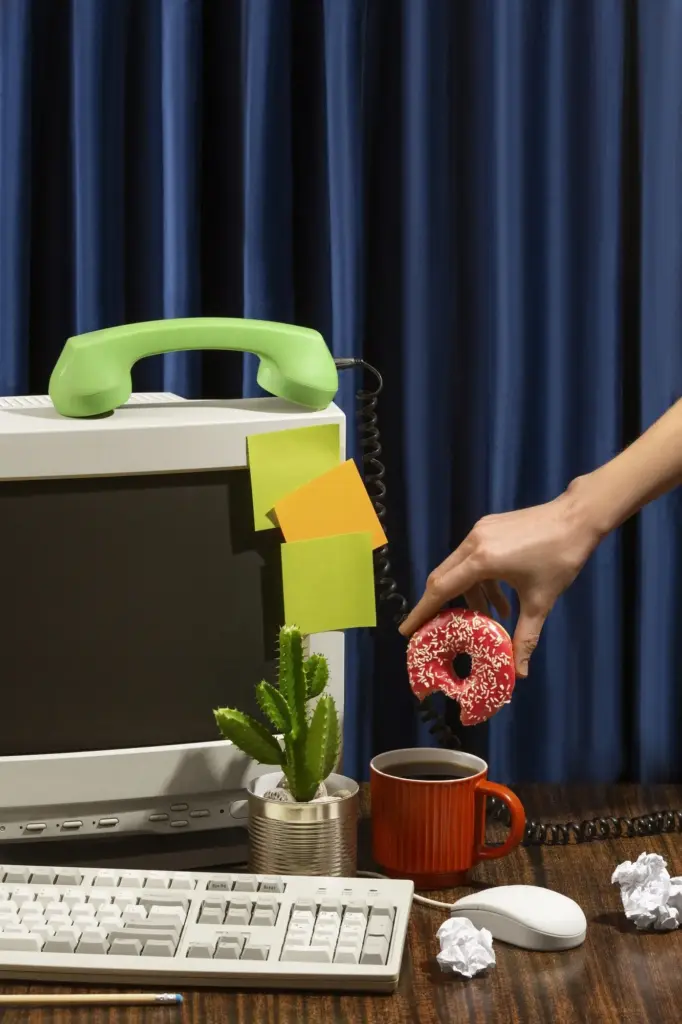
Attention behaves like a movable spotlight, sharpening edges when you constrain the scene. Ultra-short sessions reduce distractions, compress decision space, and keep error signals crisp, so your cortex learns what matters now, rather than dull averages stretched across tiring, messy minutes.

Spacing, Rest, and Neural Replay

Spacing turns short practice into long-lasting memory. When you pause, hippocampus and related circuits replay, pruning noise and reinforcing successful patterns. Even sixty seconds of rest protects focus, lowers interference, and primes the next attempt, especially when paired with deep breaths and gentle movement.

One Cue, One Action, One Metric

Decide in advance: when I open the document, I draft one sentence; when I pick up the guitar, I play the tricky bar three times. Track only attempts completed. Clear triggers shrink hesitation, and counting attempts anchors attention where it matters most.

The Art of Stopping on a High Note

Quit while execution still feels crisp, not after form collapses. Stopping early preserves accurate motor maps, protects morale, and builds anticipation. Your brain remembers endings strongly; finish with a clean rep and a smile to bias tomorrow's chemistry toward engagement.

Fast Reflection to Lock Learning

Spend thirty seconds noting one insight, one problem, and one next micro-step. This tiny debrief cements retrieval pathways, reduces mind wandering later, and gives you a ready-made plan for the next bout, transforming momentum into a reliable, repeatable routine.

Technique Slices Over Whole Routines

Choose the single hardest two seconds of the passage or movement. Loop that slice cleanly, then stop. This prevents compensations, magnifies useful error signals, and builds confidence fast. Later, recombine slices, and your coordination feels surprisingly natural because each piece was trained honestly. A violinist named Maya looped one shift for sixty seconds before school, and within a week her intonation stopped drifting.

Interleaving Without Overwhelm

Alternate brief reps across two or three skills instead of hammering one. The switch refreshes attention and creates contextual interference that strengthens retrieval. Keep each set short, mark progress simply, and the variety keeps motivation high without sacrificing the clarity needed for accuracy.

Knowledge Work: Retrieval in a Flash

Knowledge sticks when you pull it from memory, not when you bathe in highlights. Ultra-short retrieval reps surface what you truly know, reveal gaps, and guide exactly what to practice next. They pair beautifully with spaced repetition and tiny, expressive explanations to others.

Motivation, Habits, and Consistency

Consistency beats intensity when you are building skills. Ultra-short practice lowers the activation cost so you start, succeed, and return. Design cues into your environment, celebrate completions, and invite accountability. Share your experiments in the comments, and we will refine protocols together.

Make Starting Effortless

Bundle the practice with an existing routine and prepare the first move the night before. Reduce choices, put tools in sight, and let a tiny countdown carry you into action. Once you begin, momentum handles the rest, and satisfaction seals the habit.

Defeat Procrastination with the Two-Minute Rule

Promise only two minutes, then stop if needed. This honest contract dismantles avoidance, because starting feels safe and ending is guaranteed. Most days you will continue naturally, but even a short session counts, keeping identity aligned and streaks alive without pressure.

Identity and Community Keep You Coming Back

Call yourself a daily practitioner, even if minutes are tiny. Share a check-in with a friend, post a quick win, or ask for feedback. Social reinforcement multiplies motivation, exposes blind spots, and turns a private routine into a supportive, energizing practice.

Piravaronaripexilentodari
Privacy Overview

This website uses cookies so that we can provide you with the best user experience possible. Cookie information is stored in your browser and performs functions such as recognising you when you return to our website and helping our team to understand which sections of the website you find most interesting and useful.